

If you want Tiffany Alvord Songs that match the emotional punch of 30 Years Frozen 3 Brothers Regret, the best picks are the ones that lean into intimate vocals, honest regret, and slow-build catharsis. This guide maps a nine-track companion playlist to the show’s biggest emotional beats, so you can press play and feel the story hit harder while watching on ShortFlix.
Important note: this is a listening companion for the mood and themes of the series, not an official soundtrack confirmation. Think of it as a way to heighten the viewing experience by pairing Tiffany’s singer-songwriter energy with the drama’s grief, guilt, and late accountability.
Why Tiffany Alvord’s Music Fits 30 Years Frozen So Well
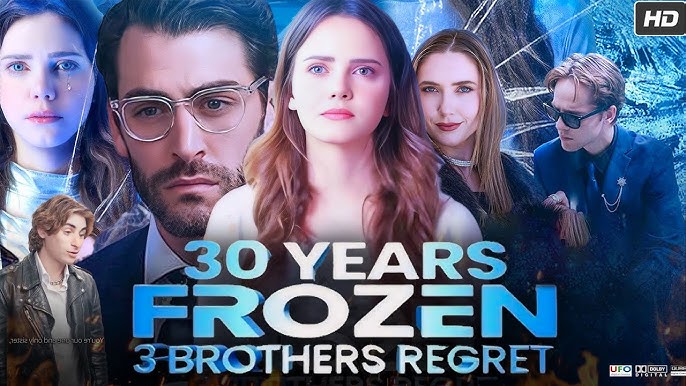
30 Years Frozen 3 Brothers Regret is built on emotional imbalance. The story isn’t just about a time jump or a sci-fi hook, it’s about what happens when a family keeps choosing convenience over compassion, and then discovers that regret does not rewind the damage. That is exactly the kind of emotional architecture that singer-songwriter music can amplify, especially music that favors clarity and vulnerability over spectacle.
Tiffany Alvord’s appeal, when listeners talk about her work, often comes down to three things: approachable melodies, a conversational lyrical tone, and vocals that can sound soft while still carrying weight. Those traits pair well with scenes where characters are trying to keep the room calm while something inside is falling apart. The show’s most painful moments are frequently quiet. A look held too long, an apology that arrives late, a confession delivered with control instead of tears. Music that is too grand can drown those moments. Music that is intimate can sharpen them.
Another reason the fit works is pacing. The series thrives on escalation through repetition: the same pattern of dismissal, the same kind of accusation, the same “we’re doing this for family” excuse, until the pattern becomes undeniable. A good companion playlist needs songs that can sit inside repetition without becoming boring. Acoustic pop and reflective ballads do that well because they can stay emotionally tense even at lower volume.
If you like watching with music that underlines subtext rather than shouting the theme, Tiffany’s style is a strong match for a story about delayed consequences and the cost of being unheard.
How to Use This Playlist Without Losing the Story
A companion playlist is only useful if it respects the rhythm of the scenes. The goal is not to replace dialogue or turn every moment into a montage. The goal is to deepen what you already feel, and to help certain beats land with more clarity. If you use music the wrong way, it becomes distraction. If you use it correctly, it becomes emphasis.
Start by choosing when you want music on top of the show. Many viewers prefer music for transitions and aftermath, not for confrontations. In this series, confrontations carry a lot of information in facial acting and small pauses, so you do not want a song competing with key lines. Instead, use songs for the moments around the confrontation: the walk into the room, the aftermath, the loneliness that follows, the “I should have done something” silence.
Next, keep your volume low enough that you can still hear the show. The best companion listening experience is when the song feels like it is living under the scene, adding tension, not taking the lead. If you are watching on a phone or laptop, that usually means a quiet instrumental section or a softer verse.
Finally, if you are also getting oriented to who is who, a cast refresher helps you track emotional arcs without confusion. A quick reference like 30 Years Frozen 3 Brothers Regret Cast can help you connect each music moment to the right relationship, especially when scenes involve multiple siblings and shifting alliances.
With that setup, you are ready to use the nine track framework below as a reliable emotional map.
Tiffany Alvord Songs: 9 Powerful Tracks for 30 Years Frozen
Below are nine track “slots” designed for Tiffany Alvord’s style and the show’s most common emotional beats. Each slot tells you what kind of Tiffany Alvord song to choose and exactly what it should do to the scene. If you already have personal favorites, plug them in. If you are exploring her catalog, use these descriptions to find songs that match the tone.
Track 1: The Wake-Up Song (Shock, Disbelief, and Emotional Lag)
Use this for the moment the story reminds you that time moved on without permission. The best fit is a mid-tempo track with clear diction and a restrained first verse, something that feels like someone trying to act normal while reality is still arriving in pieces. Lyrically, you want themes of disorientation, missing years, and the feeling of “I do not recognize this life.”
This slot pairs well with scenes that show the gap between what characters expected and what exists now. The goal is to make the viewer feel the lag. Not loud panic, but a slow internal collapse. A good chorus here should feel like a realization, not a scream.
Track 2: The Scapegoat Song (Being Blamed, Being Doubted, Being Alone)
This slot is for the series’ harshest pattern: accusation becomes truth when it is convenient. Choose a song that sits in quiet frustration, with lyrics that describe being judged without being heard. The best fit is a track with a steady beat, a controlled vocal line, and a chorus that turns into a simple statement like “you never asked” or “you never listened.”
Use it under scenes where the protagonist is trapped in a room full of certainty that is not earned. The song should not feel vengeful yet. It should feel exhausted. If the bridge lifts, it should lift into resolve, not into rage.
Track 3: The False Apology Song (Words Without Repair)
This is one of the most important slots for this story. The show often presents apologies that are really requests for silence. For this slot, choose a song that recognizes performative regret. Look for lyrics that call out the gap between “I’m sorry” and “I changed.” A soft vocal delivery helps, because it creates contrast: gentle sound, sharp meaning.
Pair it with scenes where someone tries to fix years of harm with a sentence, or where the family tries to restore “peace” without addressing what caused the damage. The right song makes the audience feel the insult under the apology, not just the sadness of it.
Track 4: The Brother One Song (Control Disguised as Care)
This slot is for the sibling who manages the room and speaks for the family. Pick a track with a polished, almost calm surface and lyrics that suggest control, reputation, and quiet manipulation. It should feel like the person singing is both protector and jailer, even if they do not admit it.
Use it under scenes where the “reasonable” voice wins, and the outcome still hurts the wrong person. The music should underline the uncomfortable truth that calm language can be a weapon. The chorus should feel like a warning, not a release.
Track 5: The Brother Two Song (Guilt, Hesitation, and Cowardice)
This slot is for the sibling whose regret shows up as discomfort, but not as action. The best choice is a song that captures moral failure through omission. Lyrics about “I should have” and “I didn’t” work well, especially if the melody stays gentle. You want the listener to feel how easy it is to be complicit while believing you are kind.
Pair it with scenes where the character looks away, stays silent, or tries to avoid conflict while someone else is being harmed. The song should make the viewer feel the weight of silence, not just the sadness of guilt.
Track 6: The Brother Three Song (Truth Seeking That Can Turn Cold)
This slot is for the sibling who interrogates, questions, and tries to rebuild the timeline. Choose a song that sounds emotionally precise, maybe slightly brighter in the verse, but with lyrics that reveal obsession, certainty, or the need to be right. The key here is tension. Truth can be healing, but it can also be used like a blade.
Use it under scenes where questions feel more like pressure than care. The song should not excuse the character. It should show the difference between seeking truth to repair and seeking truth to win.
Track 7: The Favored Sister Song (Plausible Deniability and Emotional Theater)
This slot is for manipulation that works because it is subtle. Pick a song that has a sweet exterior and a darker undertone, something that can sit under scenes where the favored character plays fragile or misunderstood while steering the room. Lyrically, this can be about image, storytelling, and the way a person can weaponize vulnerability.
Use it when the show makes you feel the injustice of being believed versus being examined. The right track makes the audience feel how bias operates, not through loud evil, but through emotional performance.
Track 8: The Time Jump Song (Loss, Grief, and the “Too Late” Realization)
This slot is the emotional centerpiece. Choose a ballad or slow track that captures irreversible time. Lyrics about missed chances, anniversaries, or the feeling of returning to a place that no longer holds you are ideal. Vocally, you want clarity over theatrics. The story’s grief is sharp, not decorative.
Use it under scenes that show what thirty years actually costs: relationships that cannot be restored, people who changed, and the haunting sense that an apology cannot travel back in time.
Track 9: The Aftermath Song (Accountability, Not Closure)
The final slot is not about revenge. It is about consequence. Choose a song that feels steady and honest, with lyrics that accept responsibility without demanding forgiveness. If the chorus lifts, it should lift into acceptance, not into triumph. This is the track you use when the show ends a confrontation but does not heal the wound.
Use it under the final stretch when characters face what their choices made permanent. The goal is to leave the viewer with clarity, not comfort. That is why this slot hits hard when chosen correctly.
What the Songs Reveal About the Story’s Emotional Mechanics

When you lay a nine track companion arc over this series, you start noticing the story’s emotional mechanics more clearly. The show is not a mystery first. It is a behavioral loop. Characters repeat the same mistake in different clothes: they confuse authority with truth, stability with love, silence with peace. The music slots above are designed to highlight that loop.
For example, the scapegoat slot and the false apology slot work as a pair. One shows the harm while it is happening. The other shows how the harm gets covered afterward. That pairing is exactly what makes the story feel realistic, because many family systems survive by doing damage and then performing reconciliation.
The brother slots also clarify why audience reactions split. Some viewers hate the “control” brother because he feels like a leader who uses calm language to delay accountability. Others hate the “guilt” brother because he feels like someone who knows better but chooses comfort. Others debate the “truth” brother because he is the closest thing to a corrective force, and still has the capacity to harm by turning pain into a case file.
Even the favored sister slot is less about villainy and more about incentives. The show asks a blunt question: why do people choose to believe the story that requires them to do the least work? The music that fits those scenes is often music that sounds pretty while saying something cruel, because that contrast mirrors what favoritism feels like from the inside.
A companion playlist cannot change the plot, but it can make the emotional logic more obvious. When the logic becomes obvious, the ending becomes harder to dismiss as “just drama.”
How to Listen Scene by Scene Without Drowning Dialogue
The most common mistake with companion music is placing it on top of key dialogue. This series uses dialogue strategically, often in short, sharp lines that change power in a room. If you cover those lines, you miss what makes the scene sting.
A better approach is to treat songs as scene borders. Use them for entrances, exits, and quiet aftermath. For example, play the wake-up song as characters move through a changed world. Fade it before the confrontation. Bring the false apology song in after the apology lands and the room tries to move on too fast. Use the time jump song for the reflection that follows, not for the revelation itself.
If you are watching on ShortFlix and you like to binge, keep your playlist order fixed. A fixed order helps you avoid emotional whiplash. It also makes the viewing experience feel like one coherent arc instead of a random shuffle of feelings. You can even repeat one track as a motif. For example, reuse the scapegoat song quietly whenever the pattern repeats. That repetition mirrors the show’s structure and makes the eventual break in the pattern feel louder.
Finally, do not be afraid of silence. Some scenes are strongest when nothing plays. The point of these Tiffany Alvord song slots is to enhance the story’s quiet violence and delayed grief, not to fill every second.
Why This Companion Playlist “Hits Hard” Even If You Disagree With the Ending
Not everyone watches this series for the same reason. Some viewers want justice fantasy and clean closure. Others want character realism and consequences. That difference is why reactions can be intense. A companion playlist helps because it frames the story as emotional cause and effect rather than as shock and twist.
When you place songs that emphasize omission, control, and delayed accountability, the series becomes easier to read as a tragedy of small choices. The villains are not only people. The villains are habits: ignoring, deflecting, rewarding the loudest voice, calling punishment “protection.” Music that is intimate makes those habits feel personal. It forces the viewer to sit with what would otherwise be brushed off as “drama logic.”
This is also why the “aftermath” track matters. Many viewers reach the end and feel unsatisfied because they are expecting a neat moral transaction: exposure equals justice, apology equals healing, tears equal redemption. The show does not deliver that transaction. A good final track can help you experience the ending as the story intends: accountability without guaranteed reconciliation.
If you still dislike the ending after that, that is valid. But you may dislike it for a clearer reason. You will know whether you are rejecting the moral thesis, the pacing, the character choices, or the lack of catharsis. That clarity is part of what makes companion listening worthwhile.
FAQ
1) Are Tiffany Alvord Songs officially part of the show’s soundtrack?
This guide treats Tiffany Alvord Songs as a companion listening playlist, not as an official soundtrack confirmation.
2) Do I need to know the full story to use the playlist?
No. The slots are based on recurring emotional beats that appear throughout the series.
3) What type of Tiffany Alvord track works best for this show?
Tracks with intimate vocals, clear lyrics, and a balance of melancholy and resolve tend to match the tone.
4) When should I avoid using music while watching?
Avoid music during key confrontations or important dialogue scenes, and use songs for transitions and aftermath.
5) How can I make the playlist feel cohesive?
Keep the nine slots in a fixed order, and repeat one motif track when the same pattern of harm repeats.
6) Which slot tends to hit viewers the hardest?
The time jump slot often hits hardest because it captures irreversible loss and the “too late” realization.
7) Can I use these slots if I prefer upbeat songs?
Yes. Choose brighter songs for earlier slots, but keep the aftermath slot grounded so the ending lands honestly.
8) Does the playlist change the meaning of the story?
It does not change the plot, but it can sharpen the emotional logic and make patterns more obvious.
9) What if I strongly disagree with how the brothers are portrayed?
The slots still work because they track behaviors like control, omission, and obsession, not just character labels.
10) Can I share this playlist with friends watching for the first time?
Yes, because it focuses on mood and timing rather than revealing specific plot points.
Final Take
Tiffany Alvord Songs work as a companion to this series because the show’s most devastating moments are often quiet, and quiet moments need music that understands restraint. When you map nine tracks across the emotional beats, you stop watching the story as a chain of twists and start feeling it as a sequence of choices that build consequence over time.
If you want to reexperience the full arc with this listening framework in mind, revisit 30 Years Frozen 3 Brothers Regret and pay attention to one detail: the moments that hurt most are rarely the loudest. They are the moments where someone finally stops explaining, because they have learned the room was never listening.
